
UK lacks strategy, leadership and accountability mechanisms to prevent atrocities, major independent review finds
The Standing Group on Atrocity Crimes has today published The Atrocity Crimes Review: A Comprehensive UK Strategy for Atrocity Prediction, Prevention and Response, a major independent assessment of the United Kingdom’s ability to identify, prevent and respond to core international crimes such as genocide, war crimes, crimes against humanity and aggression.
The Review concludes that the UK's approach to atrocity prevention remains fragmented and reactive. It finds that there is no coherent framework to ensure that early warnings of atrocity crimes are translated into timely action, no comprehensive national strategy, no dedicated ministerial lead, and no clearly identified budget. These findings apply to the policies of successive governments.
The Review warns that atrocities are not only a moral and legal concern, but also directly affect the UK's national security, economic interests, migration pressures and the international rule of law. It stresses that preventing atrocities is significantly less costly, and more effective, than responding after crimes have already occurred.
Headline recommendations include:
A dedicated cross-government atrocity prevention strategy backed by transparent funding and parliamentary reporting.
An independent statutory expert body to assess atrocity risks and advise Government and Parliament.
A named ministerial lead with responsibility for centrally coordinating atrocity prediction, prevention and response across Government.
Stronger mechanisms to turn early warning signs into timely policy action and stronger accountability measures when responding to atrocity crimes.
London, 13 October 2026
"Atrocity crimes are not inevitable. They are often preceded by warning signs that democratic states choose either to act on or to ignore. Britain helped build the post-war legal order; now it should lead in defending it by making atrocity prevention a national interest and a defence priority. If the UK leads, others will follow — saving lives abroad while strengthening security and stability at home."
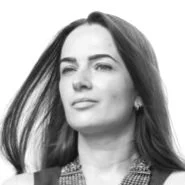
Oleksandra Matviichuk,
Nobel Peace Prize Laureate and member of the Standing Group
The Review was informed by evidence from leading international experts and civil society organisations in parliamentary hearings and sets out a practical roadmap for strengthening the UK's ability to anticipate, prevent and respond to atrocity crimes.
"Despite many past efforts, the UK currently lacks a cohesive atrocity prevention and response strategy. With changing foreign policy priorities globally, however, the UK is in a prime position to take on greater leadership internationally on this issue."
Baroness Helena Kennedy LT KC,
Chair of the Standing Group

The publication comes at a time of growing global instability, with the world facing the highest number of active armed conflicts since 1946 and people in half the world’s countries reporting that they have experienced atrocities in the past year — underscoring the urgency of more effective national and international approaches to atrocity prevention.
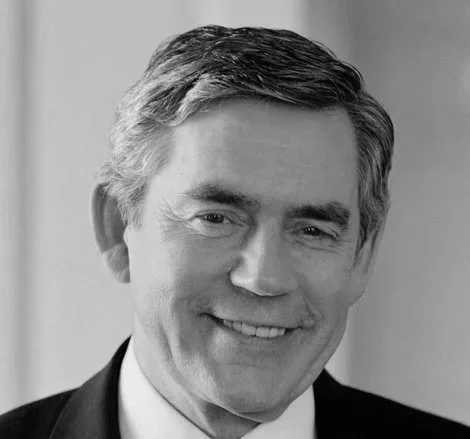
“Let us give meaning again to ‘Never Again’ by making it not a lament after failure, but a discipline of government before catastrophe.”
Rt. Hon. Gordon Brown CH PC,
Former Prime Minister of the United Kingdom
The Standing Group calls on the UK Government to respond to the Review’s recommendations and set out how it will strengthen atrocity prediction, prevention and response across Government.
REPORT

DOWNLOADS

NOTES TO EDITORS
Media enquiries welcome for attention of Aarif Abraham or Dr Ewelina Ochab, Co-Conveners of the Standing Group on Atrocity Crimes through the Contact Us page or their respective organisations.
The Standing Group comprises leading global voices on atrocity crimes dedicated to strengthening the UK Government’s approach to atrocity prediction, prevention and response through practical legislative and policy reform.
The Review was launched at a reception held by The Honourable Society of the Inner Temple, with keynote remarks from Baroness Kennedy LT KC, Rt. Hon. Gordon Brown and Prof. Philippe Sands KC. Gordon Brown’s video address is available directly here.
Speakers included, alphabetically by surname: Aarif Abraham, Lord Alton KCSG, Prof. Christine Chinkin, Alistair Fernie, Richard Foord MP, Andrew Gilmour CMG, Will Hines, Oleksandra Matviichuk, Dr Ewelina Ochab and Rt. Hon. Baroness Prentis KC.